

Driven by the growing demand for sustainable and eco-friendly building materials, the reclaimed wood industry has gained significant popularity in recent years. Salvaged wood offers a unique, rustic charm that new wood often lacks, making it a sought-after choice for homeowners and designers alike. However, ensuring the quality, proper sourcing, and cleanliness of the wood is crucial. In this blog, we’ll delve into the key aspects of the reclaimed wood industry from quality control methods to material sourcing.
Quality Assurance in the Reclaimed Wood Industry
Quality Assurance vs. Quality Control
How Are Quality Assurance and Quality Control Different?
Quality Assurance (QA) is a systematic review process conducted over a specific period before submission, aimed at identifying and correcting any last-minute errors. Whereas Quality Control (QC) is an ongoing process that addresses issues as they emerge throughout the project’s life cycle.
Quality Assurance Process for Reclaimed Wood
Quality assurance in recycled wood is a critical process to ensure the material’s safety, durability, and suitability for various applications. Here are the key aspects:
- Sourcing Expertise
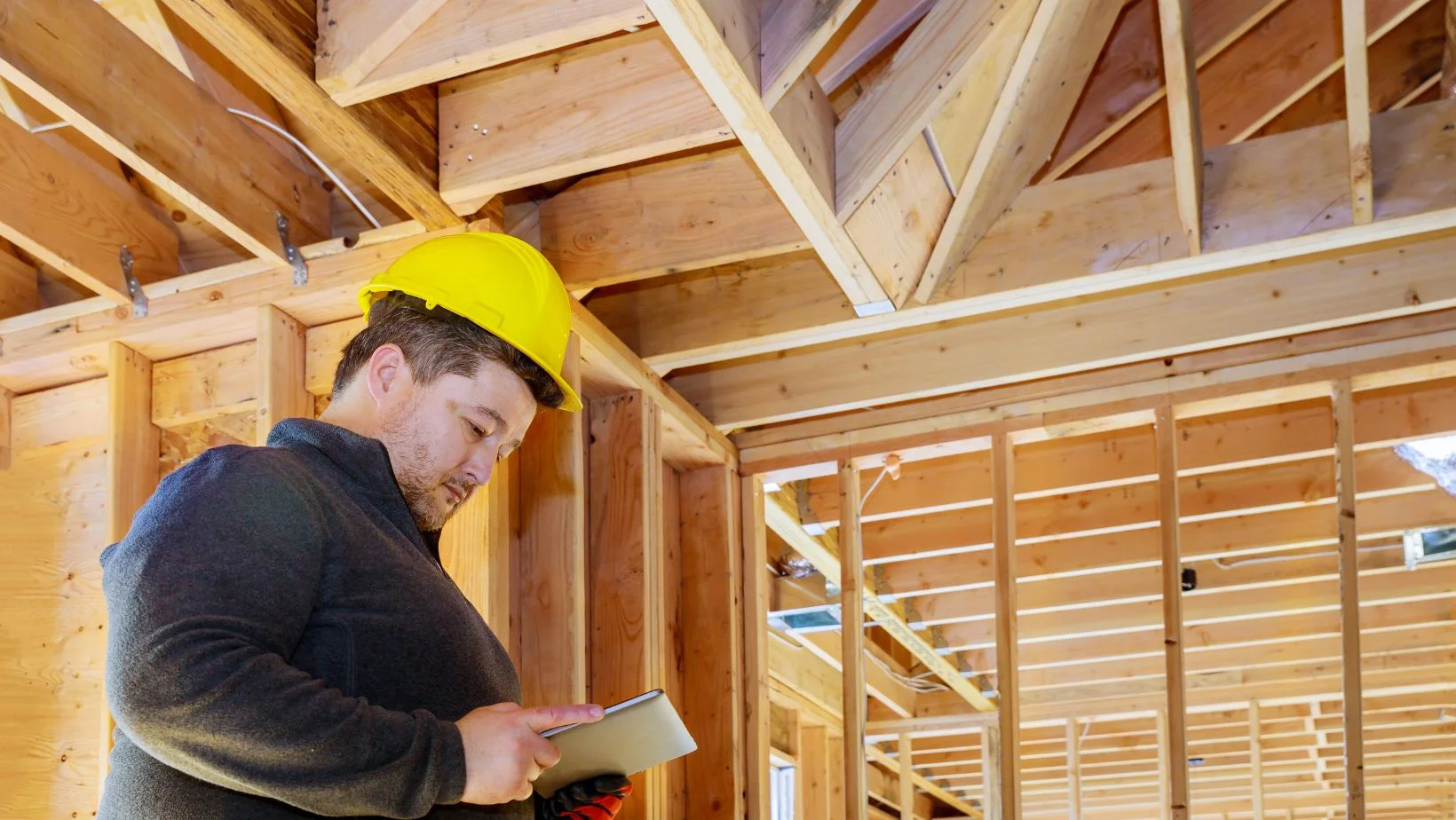
Quality assurance begins with proper sourcing. Reputable companies specializing in salvaged wood have extensive knowledge and experience in procuring materials. They understand what to look for when sourcing reclaimed wood, ensuring authenticity, sustainability, and high quality.
- Rigorous Inspection and Testing
Trusted recycled wood companies implement thorough quality control measures. This includes comprehensive inspections and testing to verify that the wood meets industry safety and performance standards. These processes help identify any potential issues with the wood before it reaches the customer.
- Certifications
Some companies may seek certifications like the Forest Stewardship Council (FSC) to validate their reclaimed wood‘s sustainability and adherence to high ethical standards.
Sourcing
Where Does Reclaimed Wood Come From?
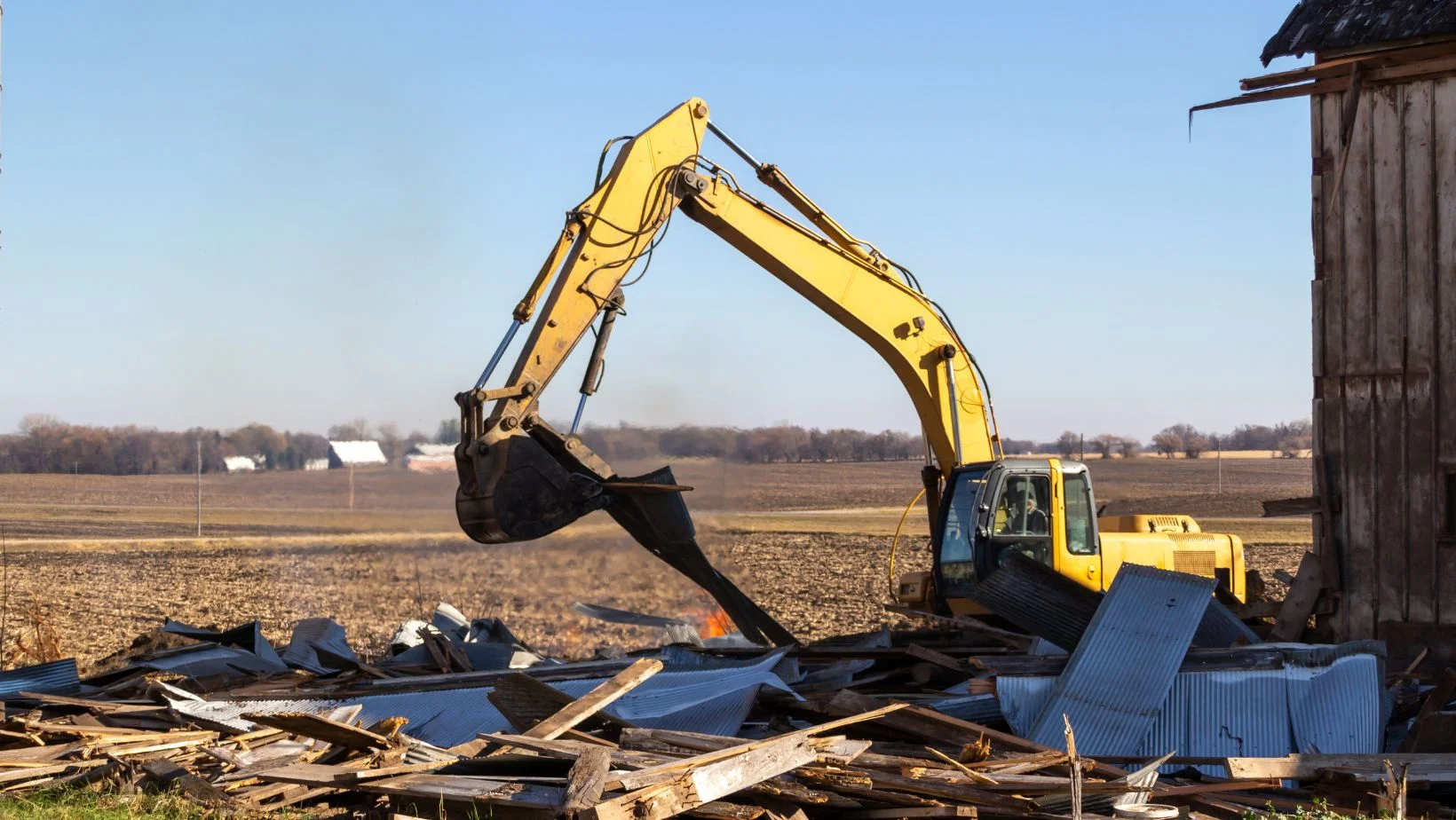
- Post-Consumer Reclaimed Wood
- Post-Industrial Reclaimed Wood
- Orchard Reclaimed Wood
- Water-Recovered Wood
- Forest-Floor Recovered Wood
Cleaning and Treatment of Reclaimed Wood
- Initial Inspection and Safety Precautions
-Inspecting for nails, staples, screws, and fasteners
- Cleaning the Wood
-Wire Brushing: A wire brush can be used to loosen and remove dirt without stripping away the patina that gives reclaimed wood its character.
-Deep Cleaning: For deeper cleaning, a steamer can sanitize the wood and help remove caked-on dirt while preserving the patina.
- Treating for Pests
-Kiln-Drying: Kiln-drying is a professional method that kills pests and stabilizes the wood.
-Chemical Treatments: Pest control products are used to treat the wood for bugs.
- Planing
-Milling: The process begins with evaluating the wood for damage and other quality concerns. The supplied wood’s dimensions will determine the final dimensions of the milled material, with some boards being removed if they are too thin or narrow.
- Sanding and Finishing
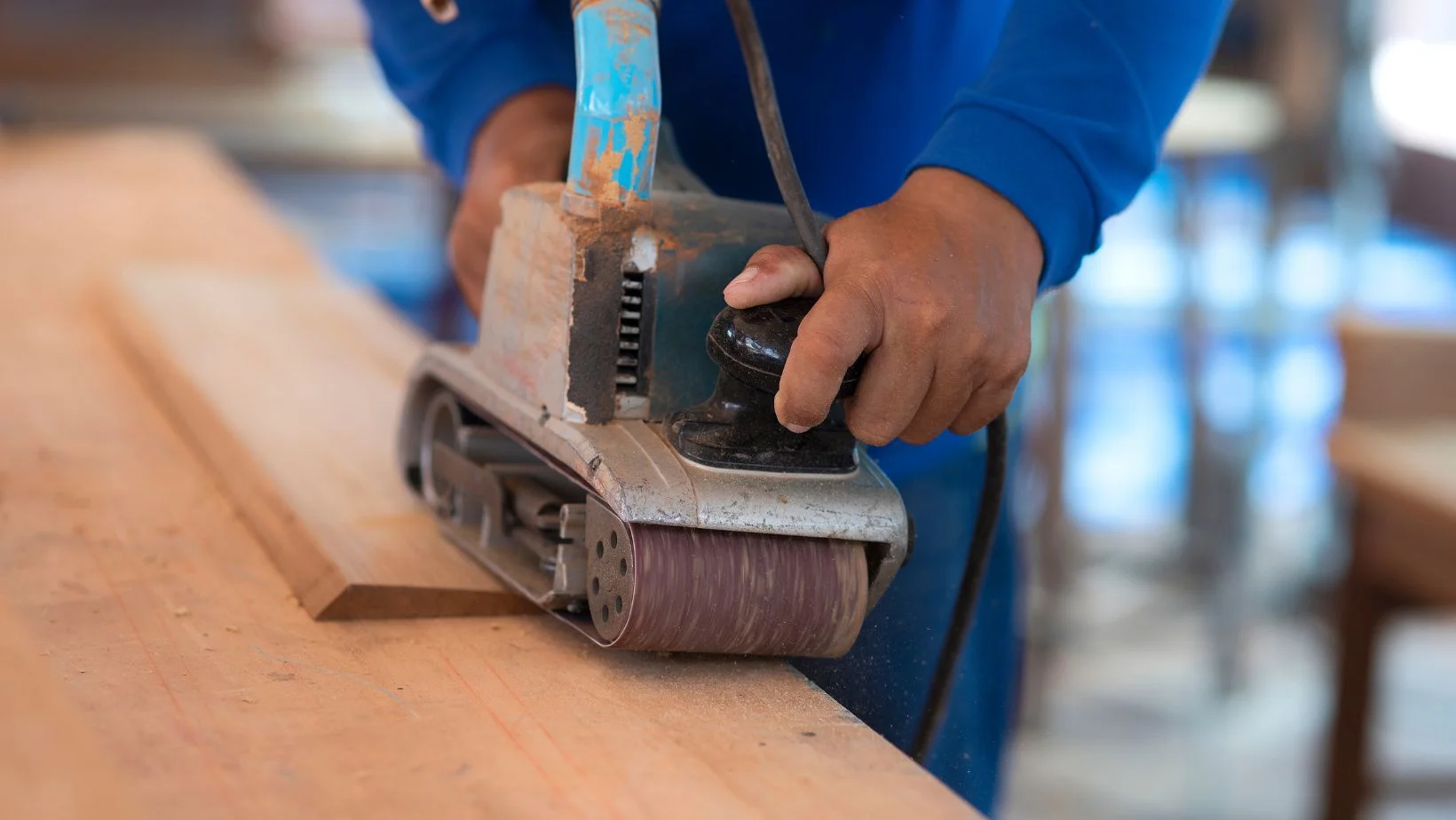
-Sanding: Light hand sanding can smooth the wood surface without removing too much of the patina. A palm sander can be used for more extensive smoothing but should be used carefully to avoid over-sanding.
-Finishing: Applying a suitable finish such as paint, oil, or polyurethane protects the wood and enhances its appearance. This also helps prevent future pest infestations.
The reclaimed wood industry offers a sustainable and aesthetically pleasing alternative to new wood. By understanding the importance of quality assurance, proper sourcing, and thorough cleaning, you can ensure that your salvaged wood projects are beautiful, safe, and durable. Whether you’re a homeowner, designer, or builder, embracing repurposed wood is a step towards more environmentally friendly and unique interiors.