Engineered vs Solid Hardwood: Which Flooring Is Right for You?

Table of Contents

Selecting the appropriate kind of hardwood flooring can significantly impact the appearance as well as the feel of your room. The most sought-after choices are engineered wood as well as solid wood floors. Which one would work best for you? Let’s take a look at the major aspects to help you in making the right choice.

What Is Solid Hardwood Flooring?

Solid hardwood floors are created from a single solid plank of wood, usually 3/4 inches thick. Solid floors can be repeatedly sanded several times throughout its lifetime, which means they can last for more than 100 years if given proper treatment.

Pros:

  • Durable and long-lasting
  • Refinish possible many times
  • It adds character and value to the home

Cons:

  • More prone to temperature and humidity changes
  • Oftentimes the net cost is higher unless you buy them pre-finished.
  • Should typically only be installed on a subfloor (not concrete)

What Is Engineered Wood Flooring?

  • Engineered wood flooring comprises of real wood veneers on the top of several layers of fiberboard, or high density plywood. The wood flooring’s layered structure provides it with additional security.

    Pros:

    • More resistant to moisture and humidity
    • Perfect for basements and below-grade installation
    • Can have a lower net cost after installation costs are considered. 

    Cons:

    • Refinishing options are limited.
    • It may not last for as long as solid hardwood
    • May have a longer lead time if not already in stock 
    without the hefty price tag.
  • Versatility: Engineered wood can be installed in various areas, including basements and bathrooms, making it more versatile than solid hardwood.

Appearance & Design Options

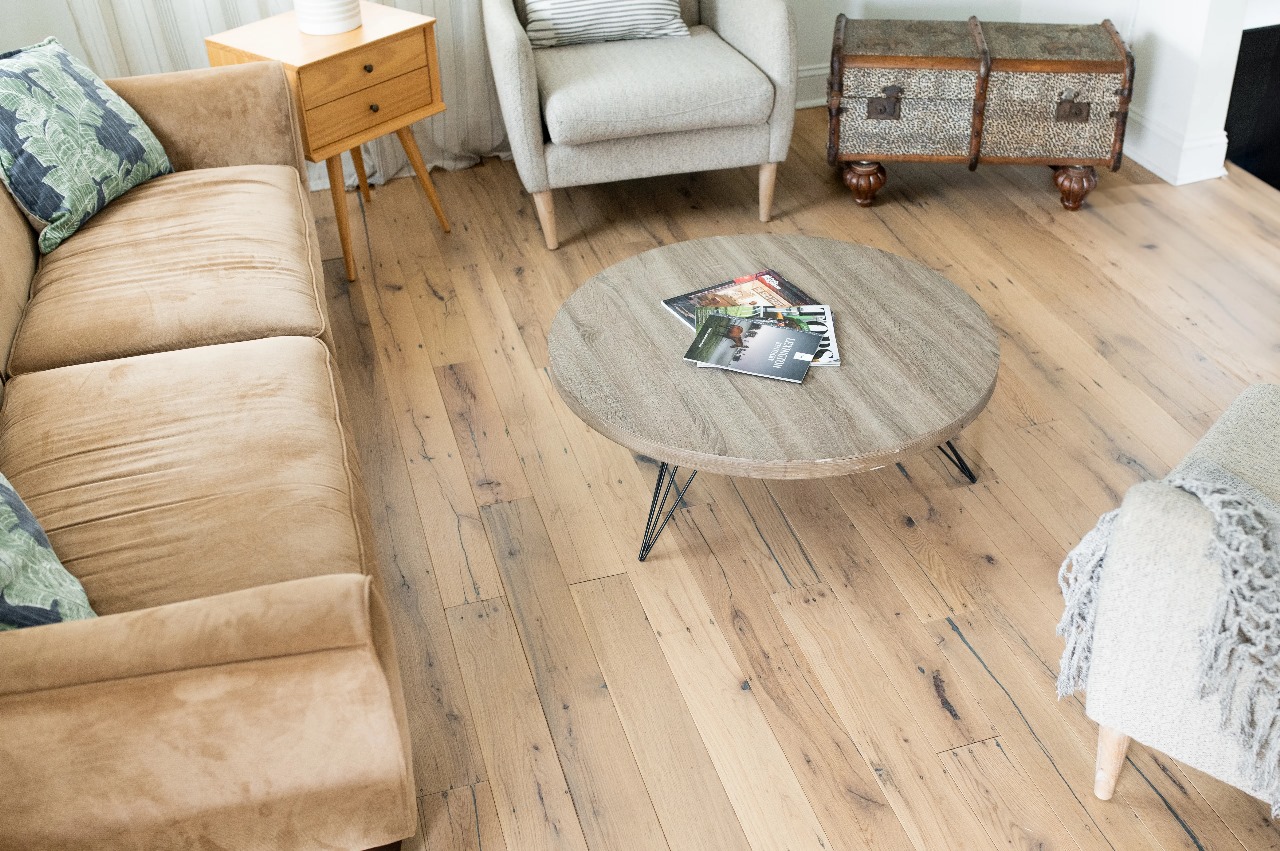
All hardwoods, whether engineered or solid, have a broad selection of finishes, species and dimensions options.. However, engineered flooring typically is prefinished, which provides more consistency and speed of installation. Solid hardwood is more flexible for personalization over time via the process of sanding and staining.

Installation & Stability

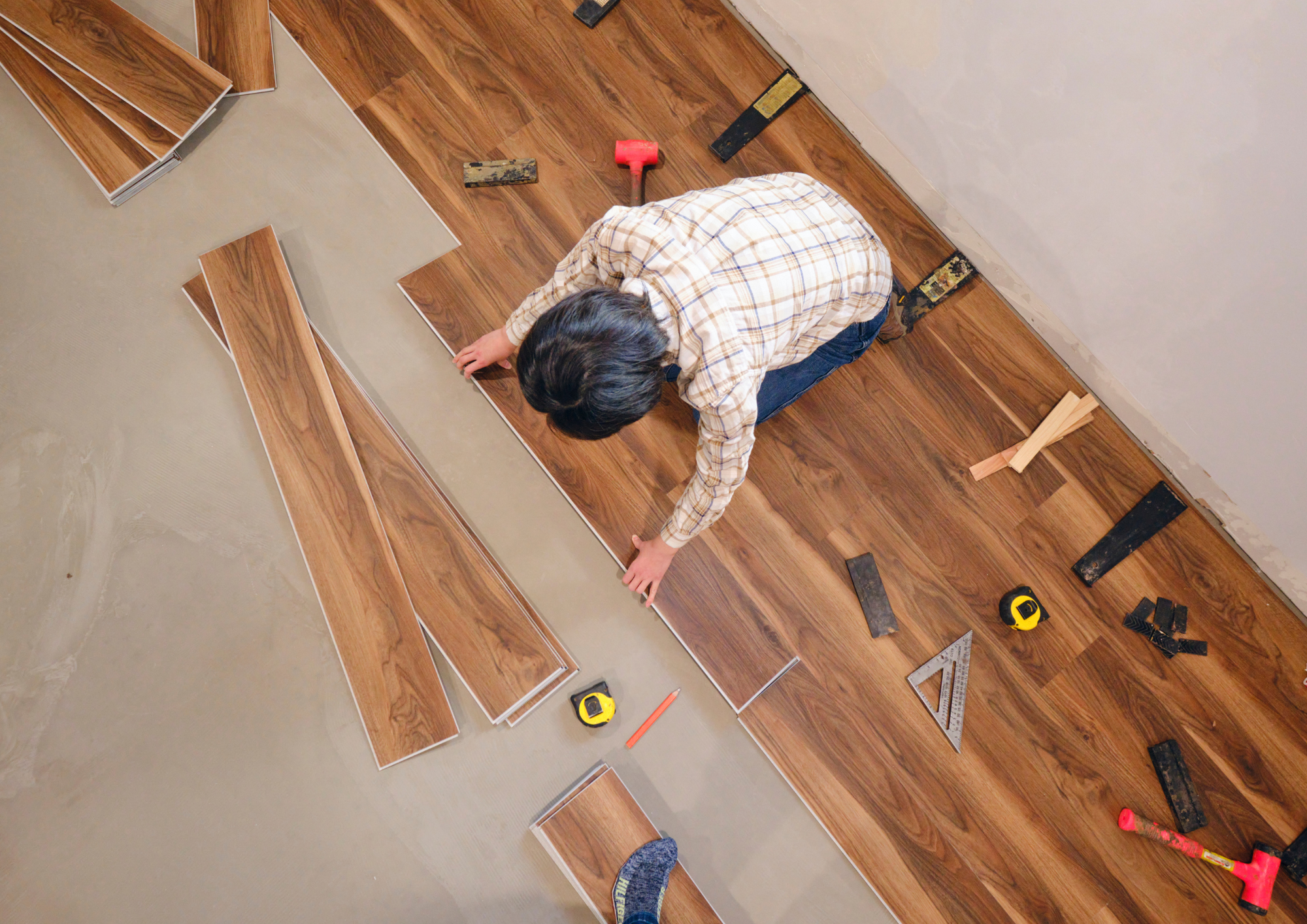
If you’re in need of a quick and flexible install, then engineered flooring has the edge. It can be put down quick with glue or floated over different subfloors. Solid hardwood, however, requires nailing as well as an unfinished subfloor, making its installation more limited and possibly more  labor intensive.

Engineered wood works better in rooms with a fluctuating humidity, like kitchens, bathrooms and basements, as well as humid climates, due to its cross-layered construction.

reclaimed wood flooring installation process

Cost Comparison

Engineered wood tends to be less expensive in terms of the installation and product costs. Solid hardwood, although more costly is a longer-term investment..

Which Is Right for You?

Choose engineered wood flooring if:

  • You’re installing below the grade, or in areas with high humidity
  • You’re looking for a less expensive and low-maintenance solution
  • You’re working on a concrete subfloor

Choose solid hardwood flooring if:

  • You value durability and the ability to finish for decades
  • You’re looking to enhance the value of your house’s historical appeal
  • You already have a solid, subfloor that is above the grade

Final Thoughts

If you decide to choose solid or engineered hardwood floors, know that both options provide an unmistakable beauty and appeal that lasts. The decision you make will depend on your personal preferences and budget as well as installation requirements. If you are aware of the fundamental aspects, you can pick the best flooring that will fit your needs and space.

Are you looking for reclaimed solid wood flooring or engineered wood flooring?

Old World Timber offers high-quality eco-friendly wood products that are rich in character and history.